Transitioning from UPG/UUPG to the 7 Phases
Throughout mission history, missiologists have used various paradigms to identify and evaluate the progress of the gospel among different people groups. A new shift is in progress from the UPG/UUPG terms to the Seven Phases of Progress among a People Group. The purpose of this blog post is to introduce this shift to prepare the…

Seven Time Management Tools and Principles for Busy Missionaries
In the “good old days”, when William Carey needed to talk to the British Missionary Society, or if they wanted to talk to him, it would take about 8-12 months to send and receive correspondence. Letters had to be carried overland and then slowly shipped by boat around the world. The result was that missionaries…
Missionaries and the Local Church: 4 Necessary Attitudes and 5 Non-Negotiables
In the New Testament, the apostles rarely interacted with churches that they did not plant themselves. Therefore, there is no clear New Testament model for how frontline missionaries should interact with local churches in their places of service.Today, the situation is quite different. God has been working to fill the world with the knowledge of…
Featured Post
The No Cousins Left Vision
“After this, I looked, and there was a vast multitude from every nation, tribe, people, and language, which no one could number, standing before the throne and before the Lamb. They were clothed in white robes with palm branches in their hands. And they cried out in a loud voice: Salvation belongs to our God, who is seated on the throne, and to the Lamb!”
Revelation 7:9 (CSB)
The Need
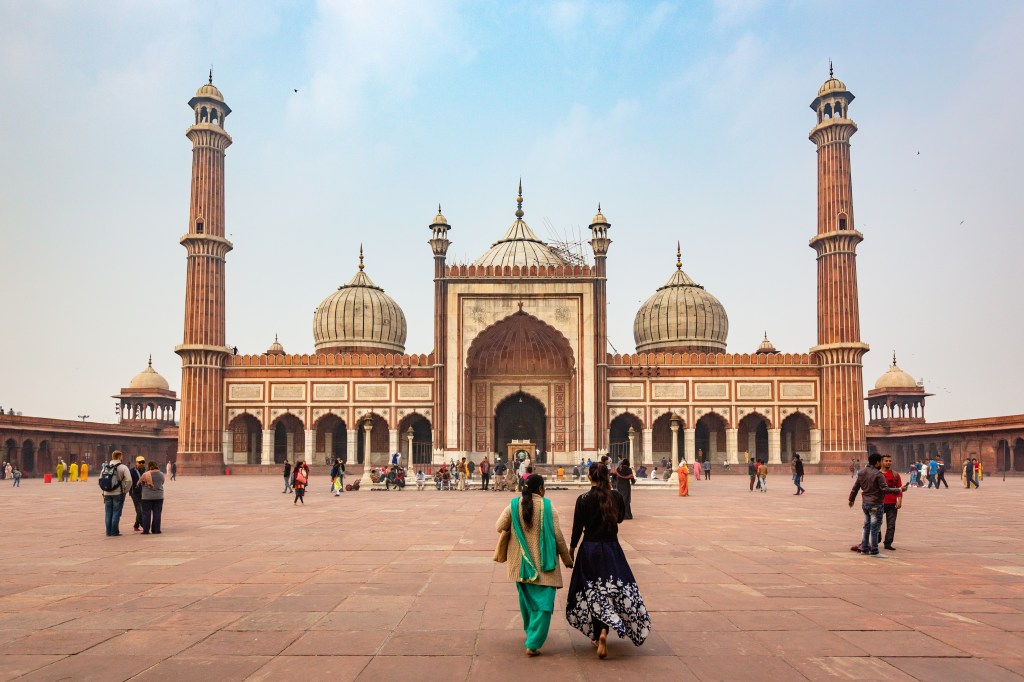
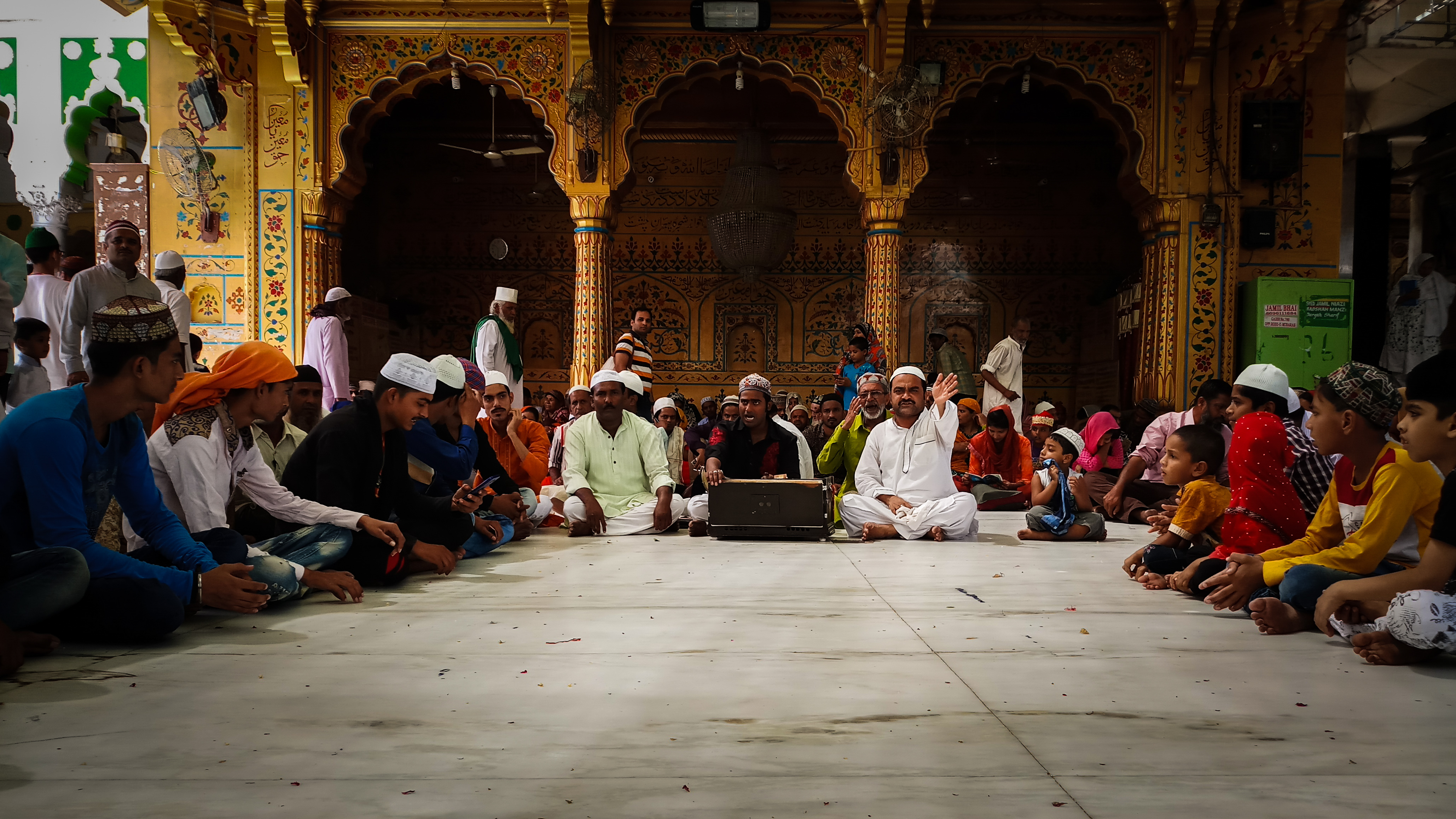
There are also relatively few laborers serving among South Asian Muslims. While there are believers across South Asia and God is bringing many to Himself, very few of these believers have the desire and capacity to share the gospel with their Muslim neighbors. The result is that in the midst of multitudes of Hindus coming to Christ in South Asia, there are 600 million Muslims who are largely unaffected by the gospel.
Our “No Place Left” Vision
In South Asia, we are praying for “No Place Left” based on Romans 15:23. In 57 AD, when Paul wrote to the Romans, he declared that he filled up the gospel from Jerusalem to Illyricum. Desiring to proclaim the gospel where Christ had not been named, Paul asked the church at Rome to partner with him by sending him to unengaged Spain (Rom 15:19-29). At that time, Paul declared his work complete from Jerusalem to Illyricum (Rom 15:23). Paul did not say that all gospel ministry in these areas had been completed. Instead, his missionary task of pioneering the ministry had been fulfilled. Paul left behind sufficient churches and leaders (both pastors and missionaries) to complete the work in these areas.
We define our “No Place Left” vision as local ownership of the core missionary task in every people and place. “Local ownership” means indigenous churches and leaders (both pastors and missionaries) who are continuing the work locally. The “core missionary task” (CMT) is our biblical conviction of what missionary activity entails and will be covered in a future blog. The CMT involves six parts: entry, evangelism, disciple-making, church formation, leadership development, and entrusting the task locally. “In every people and place” means the fulfillment of Revelation 7:9, where every South Asian tongue, tribe, people, and nation stands before the throne and before the Lamb in worship. Therefore, we continue to labor in bringing the gospel to peoples and places who have never heard.
“No Place Left” to “No Cousins Left”
Paul’s “No Place Left” vision caused him to constantly look to pioneer areas to share the gospel. He looked for gaps of where peoples had never heard the name of Christ and made it his goal to proclaim the gospel in those places among unreached peoples.
As we look to the gaps in South Asia, the greatest gap is the Muslim community. South Asia is home to the greatest concentration of Muslim lostness on the planet! In 2020, there are almost 600 million Muslims in South Asia. Therefore, our “No Place Left” vision demands that we seek to work among the Muslim communities across South Asia. It is possible that we could see churches planted in every corner of South Asia, while leaving the Muslim community virtually unengaged with the gospel. May it never be!
Therefore, our “No Place Left” vision demands a “No Cousins Left” response.[1] Unless we see churches and leaders rise up from every South Asian Muslim people group, our vision is incomplete. We need you to join us in this vision to make No Cousins Left in South Asia! One great way to join in is to take our training course, Engaging South Asian Muslims. Click here for more information on this course.
[1] In Muslim ministry, we often use the term “cousins” to refer to Muslims to show a familial closeness with Muslim peoples. In addition, Muslims generally identify as children of Abraham through Ishmael, meaning that we are in a sense related.
 No Cousins Left
į̵̡̡̨̨̨̥͍̯͍̭͈̤̟͖̫̳̘͇̤̭̪̻͕̹̣̰̬̲̝͎̣͕̰̩͖͇̥͕̫̻̣͓̗̰̜͍͔͖̳̲̼͚̯̭̺̦̋̄̿̎̊̍̃͋͂͜͜͜͠ͅd̴̢̧̛̛̗̦̘̩̘̱͖͕͔̖͖̺̝͕̖̦̖͎͚͑̆͒̉͐͌̈́͐͛͂̓͆̋̉̄̋̎̄́̆͊̀̄͋̃͆̀̉̓̀̈́̉͛͊́̑̅̃͂̋̎̎̂̎̓̔̚̚̕̚͜͝͠͝͝͝͠ͅį̸̢̧̧̥̗̲̬̩̘̹͉̫̬̼͉̪͇̳͚̺̤̘̮͇̭̻̻̬̜̘̘͍̜̈́̑͗̊̔̂̈́̈́͌̎͒͗̀̉̆͌̈̽̂́͂̇̑̍́̌̍̾̆̆̂̇̑̇͘̕̚̚̚̚͜͝͝ͅo̶̧̡̨̨̡̡̧̨̡̬̘̻͕̻̘̳̼̮̜̪̙̪͍̻̟̱͈͖̪̳̝̗̗̻͔̤̦̜͔̳̣̼͙̝̜̣̰̲͍̘͚̳͔̜͇͖͙̫̤̞̼̹̗̮̮̻̗̬̺͇͎̼̥̰͙̖͌͜ͅṯ̵̛̜̼͋̃͌͊̀̾̑̂̑͆͛͂͑͒̐̍̓͐̈̑̐̓́͋̓̐̏͊͆͆͐͆̄̈́̌̂̔͘̚͝͝͝͝͠͝͝
LikeLike